
Which Landscape Project Should Come First? A Mountain Property Quiz
Published May 28, 2026
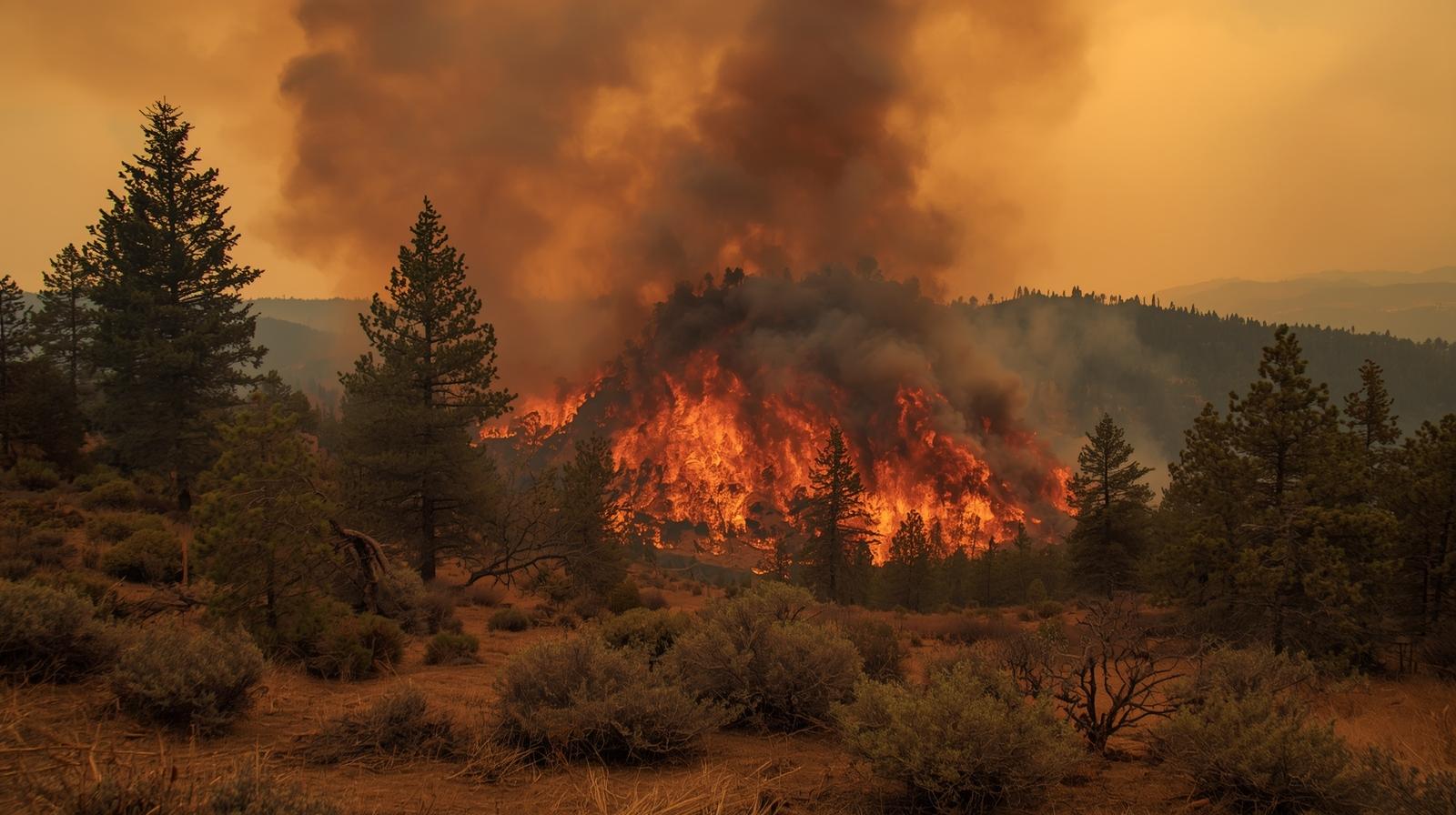
Every May, mountain property owners in the Roaring Fork and Vail valleys face the same question: where do I start? Wildfire season is approaching. A tree branch hangs over the roof. The lawn has pale stripes from spring traffic. The irrigation system throws water to some zones and misses others entirely. All of it feels urgent, and the growing season is short.
This quick quiz helps you sort those competing priorities. Answer three questions about what you see on your property, and you will get a recommendation for which service line to tackle first—whether that is wildfire mitigation, tree trimming, turf care, deep root watering, or a consultation to pull it all together.
How it works: Choose one answer per question. Your result points to a starting conversation, not a final plan—slopes, access, HOA rules, and wildlife habitat all affect what we recommend on site.
Your starting point
This quiz is educational. Slopes, access, association rules, and habitat goals all change the final plan. When you are ready for a site visit, request a quote or call the office numbers in the header.
Why these priorities compete for the same calendar
Mountain properties rarely present one isolated problem. Fuels near a structure make emergency response harder. A weak branch union over a roof is a different kind of emergency. Compacted turf and dry tree crowns can make both issues worse when heat arrives. That is why sequencing matters, and why a single visit often covers more ground than four separate phone calls.
For more reading, see our guides on defensible space, hazard evaluations, and the mountain lawn challenge quiz. The spring property priority quiz is still useful for early-season thaw concerns.
When you are ready to see everything in one pass, consultations and hazard evaluations help you sequence mitigation, pruning, turf care, and watering so the work complements instead of competes.
Not Sure Where to Start?
A consultation covers wildfire, trees, turf, and irrigation in one visit. We serve Aspen, Vail, Glenwood Springs, and the full Roaring Fork and Vail Valleys.