
Aspen Valley Turf Recovery After Heavy Foot Traffic
Published May 26, 2026
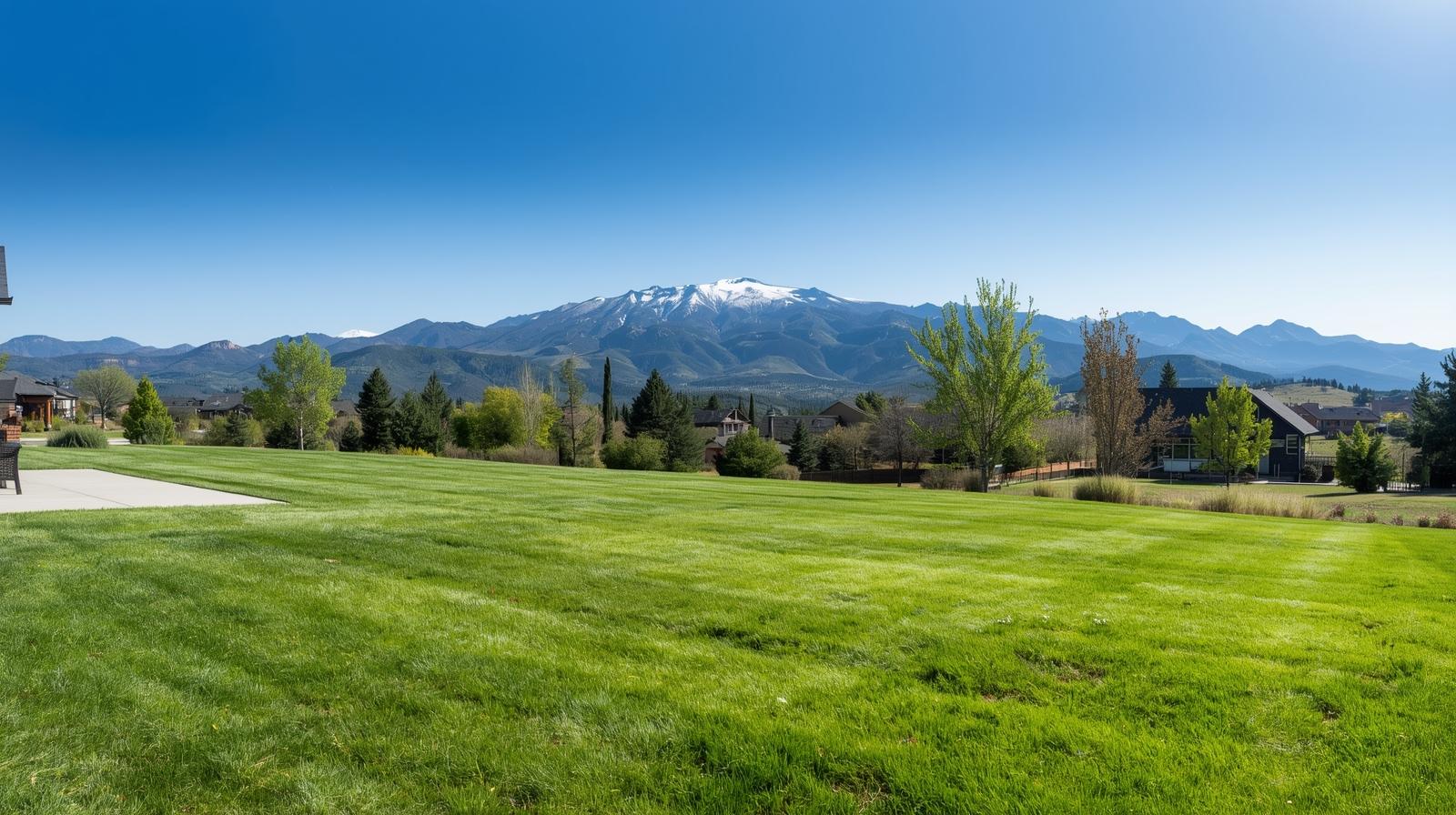
Backyard lawns in the Aspen valley see a predictable surge of footsteps once the ground firms and outdoor life returns. Kids cut corners to the trampoline, dogs pace the same fence line, and delivery drivers step off pavement onto turf that already fought a long winter. The goal is not instant golf-course color—it is a recovery sequence that lets grass rebuild before summer heat locks compaction into pale stripes you chase all season.
If soil still feels spongy from thaw, start with our guide to root plate firmness. If color lags after firmness returns, see mountain turf revitalization. Earth-Wise supports valley lots through turf care and consultations when traffic patterns outgrow a single weekend of patience.
Read the lawn before you reach for tools
Walk the backyard once without equipment. Mark pale bands beside stone paths, corners where soccer goals sat, and strips between the garage and the grill. A footprint that leaves a wet shine means wait before you mow low for photos. A footprint that bounces back dry suggests crowns are ready for gentle traffic again.
Properties in Aspen and Snowmass often show wear along south-facing edges where reflected warmth meets the same shortcut every afternoon. Compare those strips with shaded north sides of the same yard. Different sun exposure changes how fast color returns once you address the soil underneath.
Compaction is the quiet problem
Heavy foot traffic squeezes air from pore spaces faster than one irrigation cycle replaces it. Pale grass beside a firm path usually means roots are breathing shallowly—not that fertilizer is missing. Read restoring soil porosity before you apply retail feed to cool soil at elevation.
When fill is thin over rock, repeated steps can polish a line that sprinklers never rewet evenly. Photos of the worn line plus a screwdriver test at the pale edge help crews decide whether cultivation belongs in the plan. Vertical mulching can help on chronic hard pans when timing and access allow.
Mowing height and irrigation timing
Raise mowing height before sustained warmth so blades shade crowns on tired turf. Scalping a worn backyard to make it look crisp for arrival weekend often exposes crowns that traffic already stressed. One notch higher for two weeks costs nothing and buys recovery time.
Delay heavy mower turns on soft soil. If tire tracks shine, wait. Flooding a compacted corner rarely fixes it—water moves sideways on polished soil and leaves the center dry. Walk each zone against what actually wets the pale band. Read hot spots and reflected heat when south strips beside drives bake faster than the rest of the lawn.
When professional turf care belongs in the sequence
Core aeration, overseeding, and structured fertility belong after firmness returns and before heat stacks stress. Throwing seed on packed mud before guests arrive is a common shortcut that fails when nights stay cool. Turf care visits work best when you bring photos, gate widths, and the three paths that worry you most.
If wear sits over tree roots near shade, route those notes to consultations so arborists read roots and turf together. More water on compacted soil around surface roots sometimes makes softness worse, not better.
Simple habits and the two-week check
Rotate play equipment off the same grass plug each week. Move the hose cart off the corner that always looks tired. Ask household members to use existing stone to the shed instead of the turf shortcut to the grill. Small cultural shifts reduce compaction more than one late rescue treatment after damage is done.
Photograph worn corners again fourteen days after you change habits or irrigation. Color recovery, firmness underfoot, and whether the pale line widens tell you whether to book turf care, wait for growth, or add cultivation. When you are ready for eyes on site, request a quote with those photos and a rough sketch of backyard paths.
Heavy foot traffic is normal on lived-in valley homes. Calm sequencing now keeps summer from becoming a stack of emergencies where the growing window is already short. For a longer view, see sustainable mountain turf.