
Thin Air and Short Mow Windows on Mountain Meadows
Published October 19, 2026
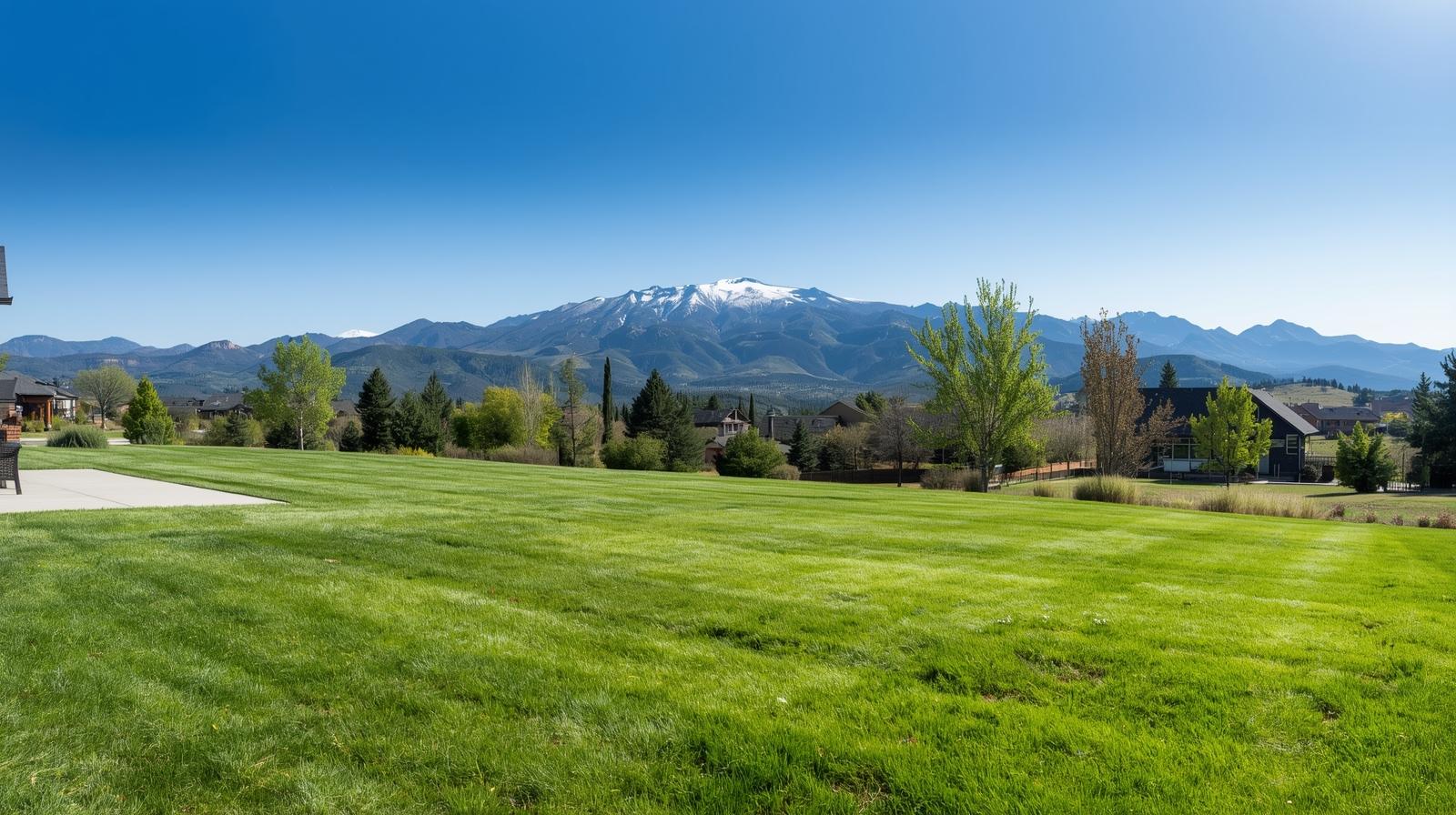
Elevation changes the mowing calendar
Meadow lawns above eight thousand feet often get a late start and an early shutdown compared with Glenwood Springs valley turf. Snowpack, night frost, and thin soil over rock shorten the window when blades can recover from a low cut.
A schedule copied from a flat Midwest lawn often scalps crowns just as growth finally begins. That stress shows as pale bands that never fully green before fall.
Write your elevation, aspect, and whether the strip is irrigated or mostly natural precipitation. Those facts change every recommendation.
Firmness before the first cut
Walk meadow turf when the top inch dries. A footprint that shines with water means wait. A footprint that springs back dry suggests crowns can tolerate light traffic and a cautious first mow.
Read root plate firmness for the spring handoff language that applies on meadows as well as backyard lawns.
Mowing wet meadow silt compacts pore space that thin air already stresses. One postponed weekend often saves a pale summer stripe.
Height and species on thin meadow soil
Leave extra blade height on native or rustic mixes. Shorter grass overheats quickly at elevation where afternoon sun is intense and nights stay cool.
Kentucky bluegrass pockets in meadow settings may need different height than fescue or native bunch grasses nearby. Match the blade to the dominant species on each zone, not to one setting for the whole field.
Turf care visits work best when you photograph which zones green first and which stay yellow after snowmelt.
Irrigation that matches short seasons
Meadow irrigation is rarely uniform. Sprinklers that work on a backyard may miss a sloped meadow edge that sheds water before infiltration finishes.
Probe dry ridges before you add minutes on every zone. Read deep root watering on dry ridges when trees share the same meadow edge.
Overwatering cool meadow soil early season can delay root warmth as much as drought does later.
Traffic and wildlife on shared meadows
Deer trails, dog paths, and ski egress lines concentrate wear on short meadow windows. Rotate play equipment and hose carts off the same grass plug each week when possible.
Fencing and species choice interact. A meadow strip that feeds wildlife may need different expectations than a household lawn beside the deck.
Photograph worn lines before you book cultivation so crews see pattern, not only color.
When to call for meadow turf support
Book consultations when meadow wear sits over tree roots or thin fill. Aeration and overseed timing must respect both turf and woody roots.
Pair this article with mountain turf revitalization when color lags after firmness returns.
Request a quote with mowing height notes and two dated photos fourteen days apart. Meadow turf rewards calm sequencing more than one dramatic cut.
Crew notes from Roaring Fork meadows
Earth-Wise crews log aspect and irrigation type on meadow calls because south strips green two weeks before north pockets on the same parcel.
Gate width and slope access determine whether aeration equipment can reach meadow strips without rutting wet soil.
Dated photos from owners shorten the first visit and keep recommendations proportional to the growing window you actually have.
Second homes, caretakers, and shared notes
Owners and caretakers often inherit different controller settings each turnover. A photo of the panel and a zone list on the fridge prevent duplicate service calls the same week.
Leave probe readings and mower height notes where both parties see them. Memory fades faster than mountain weather shifts.
Earth-Wise has served Colorado mountain landscapes since 1994. Dated records keep recommendations proportional to the season you actually have.
What crews document on the first visit
Slope, access, gate width, and association rules change equipment choices on every parcel from Glenwood Springs to Vail.
Photos you send narrow the conversation before trucks roll on steep or shared drives.
Call Roaring Fork Valley 970-928-8480 or Vail Valley 970-476-7336 with those details attached.
Season length and realistic expectations
Mountain lots often get six to ten weeks of strong growth, not the long plateau valley turf enjoys. Work scheduled in that window lands differently than the same work started after heat or guest traffic arrives.
Pale color in week three may still recover in week five when nights stay cool and roots deepen. Pale color in week nine may signal soil or species limits instead of temporary stress.
Compare the same bed or lawn panel on the same calendar week each year. A single spring photo rarely tells the story without prior season context.
Professional visits fit best when you bring dated images, gate access notes, and a short list of zones or trees that worry you most. That packet keeps scope focused on measurable conditions rather than generic mountain lore.
When you are ready for eyes on site, request a quote with elevation, aspect, and irrigation type in the first sentence.
Meadow and mountain turf planning
Our turf care team serves Aspen, Snowmass, and Basalt. Request a quote with photos of firmness and mowing height from your meadow strip.