
Snow Mold Prep Without Overwatering Late Season
Published November 12, 2026
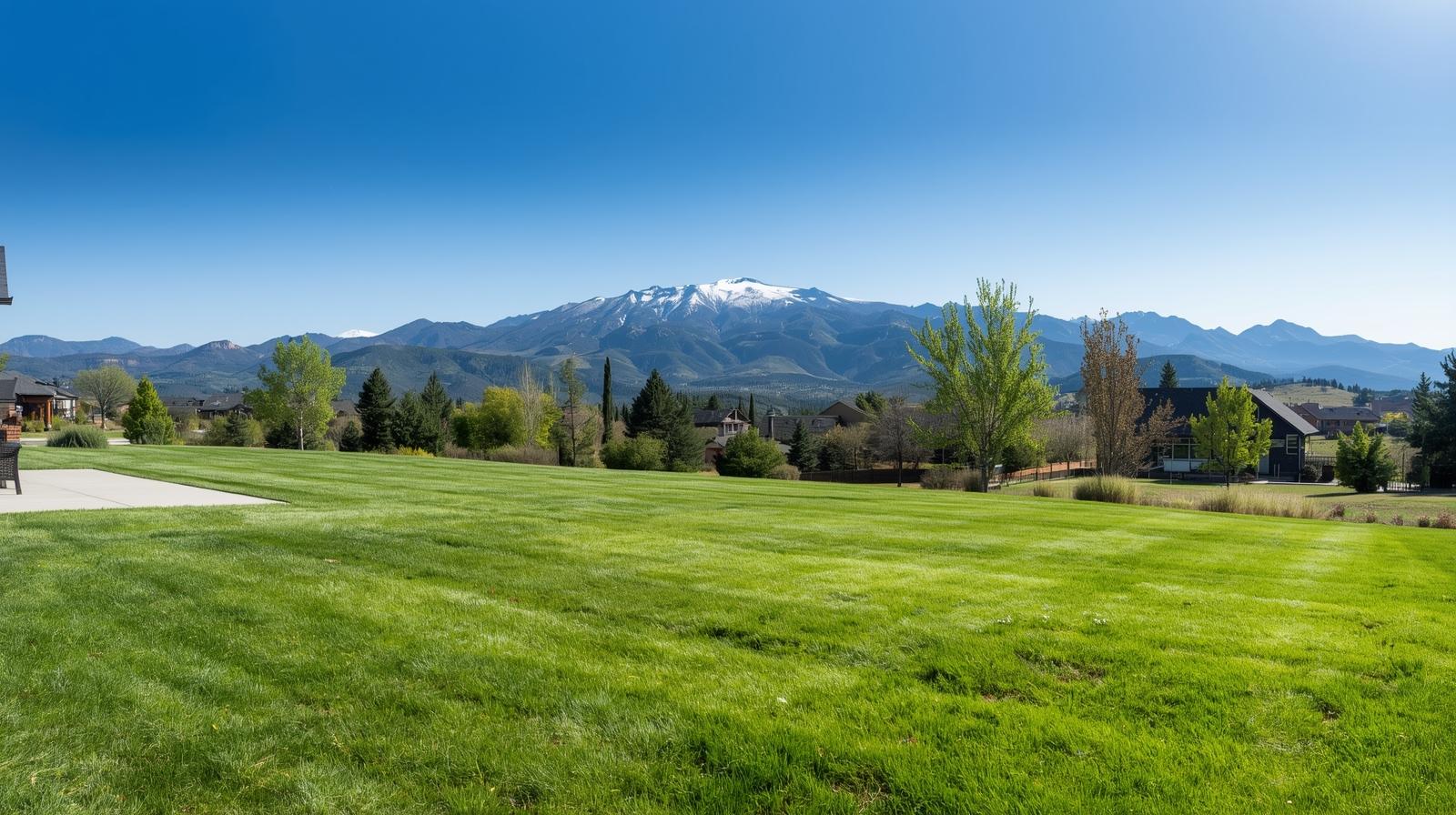
Snow mold likes long wet grass
Pink and gray snow mold fungi thrive under snow on unmowed or overfertilized turf. Late nitrogen and lush blades are risk factors, not guarantees of disease.
Leaves and debris trapped under snow add organic fuel on shaded strips.
Rake and bag debris on high-value turf panels before lasting snow.
Late watering tradeoffs
Roots still need moisture before freeze-up on dry autumns. Saturated soil going into freeze invites ice damage and fungal film where drainage is poor.
Shut off spray on zones that already hold moisture from rain and shortening days.
Probe shady panels separately from sun panels; uniform late programs rarely fit both.
Final mow height
A slightly shorter final mow can reduce matting under snow without scalping crowns. The line is species and firmness dependent.
Mow dry to avoid smearing soil on last passes.
Read what mountain lawn reviews look for when you want late-season checklist language.
Fertility timing
Late nitrogen on cool soil may not absorb before freeze and can feed mold under snowpack on some lots.
Soil tests matter more than bag promises on short seasons.
We discuss fertility only when tests and history support it, not by calendar default.
Spring expectations after mold
Circular tan patches in melt may be snow mold scars that recover with light raking and spring growth. Severe mats may need overseed in pocket areas.
Do not flood recovering patches; gentle drying and firmness checks lead spring work.
Photograph melt patterns for next fall shutdown planning.
Irrigation winterization alignment
Blowout should follow turf shutdown so late watering does not refill lines you already emptied.
Note manifold drain locations for caretakers who reopen in spring.
Pair with mountain turf revitalization when spring color lags after melt.
Checklist before snow sticks
Final mow complete, debris removed, controller adjusted or winterized, photos of shady panels stored.
Request a quote when mold appears yearly on the same shady arc.
Late season balance protects spring color without storing fungus under snow all winter.
Second homes, caretakers, and shared notes
Owners and caretakers often inherit different controller settings each turnover. A photo of the panel and a zone list on the fridge prevent duplicate service calls the same week.
Leave probe readings and mower height notes where both parties see them. Memory fades faster than mountain weather shifts.
Earth-Wise has served Colorado mountain landscapes since 1994. Dated records keep recommendations proportional to the season you actually have.
What crews document on the first visit
Slope, access, gate width, and association rules change equipment choices on every parcel from Glenwood Springs to Vail.
Photos you send narrow the conversation before trucks roll on steep or shared drives.
Call Roaring Fork Valley 970-928-8480 or Vail Valley 970-476-7336 with those details attached.
Season length and realistic expectations
Mountain lots often get six to ten weeks of strong growth, not the long plateau valley turf enjoys. Work scheduled in that window lands differently than the same work started after heat or guest traffic arrives.
Pale color in week three may still recover in week five when nights stay cool and roots deepen. Pale color in week nine may signal soil or species limits instead of temporary stress.
Compare the same bed or lawn panel on the same calendar week each year. A single spring photo rarely tells the story without prior season context.
Professional visits fit best when you bring dated images, gate access notes, and a short list of zones or trees that worry you most. That packet keeps scope focused on measurable conditions rather than generic mountain lore.
When you are ready for eyes on site, request a quote with elevation, aspect, and irrigation type in the first sentence.
Late season turf shutdown
Prepare turf for snow with turf care and plant health care when disease signs appear. Request a quote before permanent snowpack.