
Native Grass Mixes or Kentucky Bluegrass in Sun
Published November 09, 2026
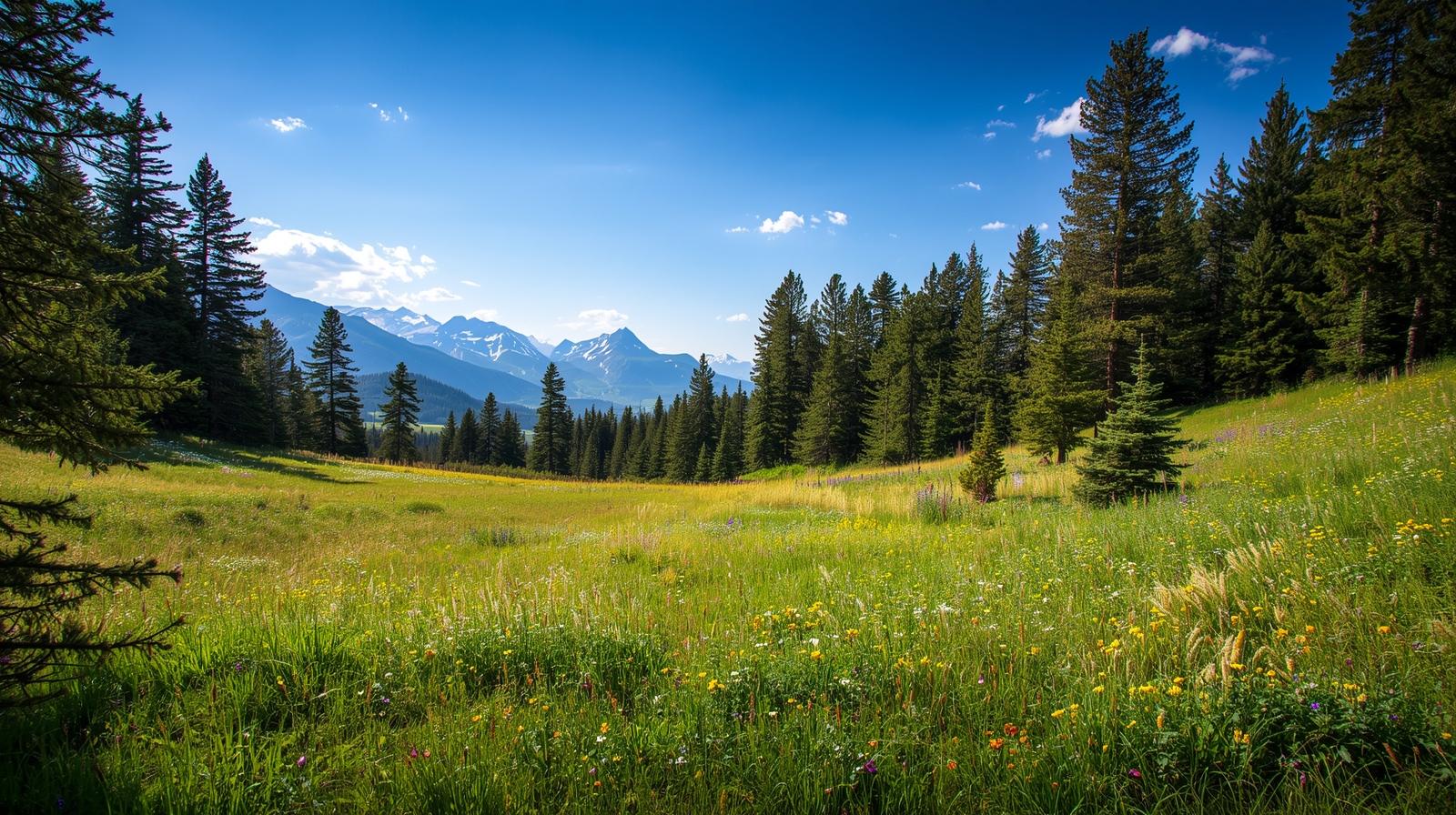
Sun at elevation is not Denver sun
Intense UV, cool nights, and short seasons change how bluegrass holds color on open parcels. Afternoon heat plus cold soil overnight stacks stress retail mixes are not bred for.
South strips beside drives bake faster than the same species in backyard shade on the same lot.
Name hours of direct sun and reflected heat sources when you compare species.
Kentucky bluegrass strengths and limits
Bluegrass recovers from wear when soil is deep, cool, and evenly moist. Thin fill and swing moisture at elevation expose limits quickly.
High-input bluegrass programs copied from humid climates fail when water restrictions or caretaker gaps appear mid season.
We do not dismiss bluegrass where it truly performs. We question default installs on rocky sun belts.
Native and low-input mixes
Native bunch grasses and regional blends accept dormancy browning as seasonal, not failure.
Texture and height differ from ball-field bluegrass. Set expectations with household and HOA eyes before seed goes down.
Wildlife browse on irrigated natives still happens; protection rules match aspen groves in open sun.
Water philosophy on sun lawns
Deep infrequent cycles on clay sun pockets may work while sand shoulders need shorter cycles on the same controller only if split.
Dormant brown native panels may need no summer irrigation once established. Bluegrass panels beside them need honest zoning.
Probe before you add minutes globally on sun lots.
Mowing height and summer stress
Taller blades shade crowns on sun lawns when roots run shallow on thin fill. Scalping for arrival weekend exposes crowns to afternoon burn.
Read sustainable mountain turf for height and frequency tradeoffs.
Mow when dry to limit wheel compaction on sun strips.
Renovation versus full replant
Partial overseed into existing bluegrass can blend textures poorly if species goals conflict. Sometimes a defined sun panel reset beats chasing mismatched color.
Soil prep on rock edges determines whether any mix establishes. Seed on polished fill fails regardless of species marketing.
Request a quote with photos of sun panels and irrigation heads.
Choosing with eyes open
List maintenance hours, deer pressure, and HOA color rules before species choice.
Native mixes reward clear dormancy; bluegrass rewards steady care. Neither is wrong when expectations match site.
More species and sun posts sit on the blog for mountain homeowners.
Second homes, caretakers, and shared notes
Owners and caretakers often inherit different controller settings each turnover. A photo of the panel and a zone list on the fridge prevent duplicate service calls the same week.
Leave probe readings and mower height notes where both parties see them. Memory fades faster than mountain weather shifts.
Earth-Wise has served Colorado mountain landscapes since 1994. Dated records keep recommendations proportional to the season you actually have.
What crews document on the first visit
Slope, access, gate width, and association rules change equipment choices on every parcel from Glenwood Springs to Vail.
Photos you send narrow the conversation before trucks roll on steep or shared drives.
Call Roaring Fork Valley 970-928-8480 or Vail Valley 970-476-7336 with those details attached.
Season length and realistic expectations
Mountain lots often get six to ten weeks of strong growth, not the long plateau valley turf enjoys. Work scheduled in that window lands differently than the same work started after heat or guest traffic arrives.
Pale color in week three may still recover in week five when nights stay cool and roots deepen. Pale color in week nine may signal soil or species limits instead of temporary stress.
Compare the same bed or lawn panel on the same calendar week each year. A single spring photo rarely tells the story without prior season context.
Professional visits fit best when you bring dated images, gate access notes, and a short list of zones or trees that worry you most. That packet keeps scope focused on measurable conditions rather than generic mountain lore.
When you are ready for eyes on site, request a quote with elevation, aspect, and irrigation type in the first sentence.
Sun turf and species planning
Plan sun zones with turf care and consultations. We serve Basalt and Carbondale sun exposures.