
Late May Tree Lines and Erosion Paths Before Summer Traffic
Published May 21, 2026
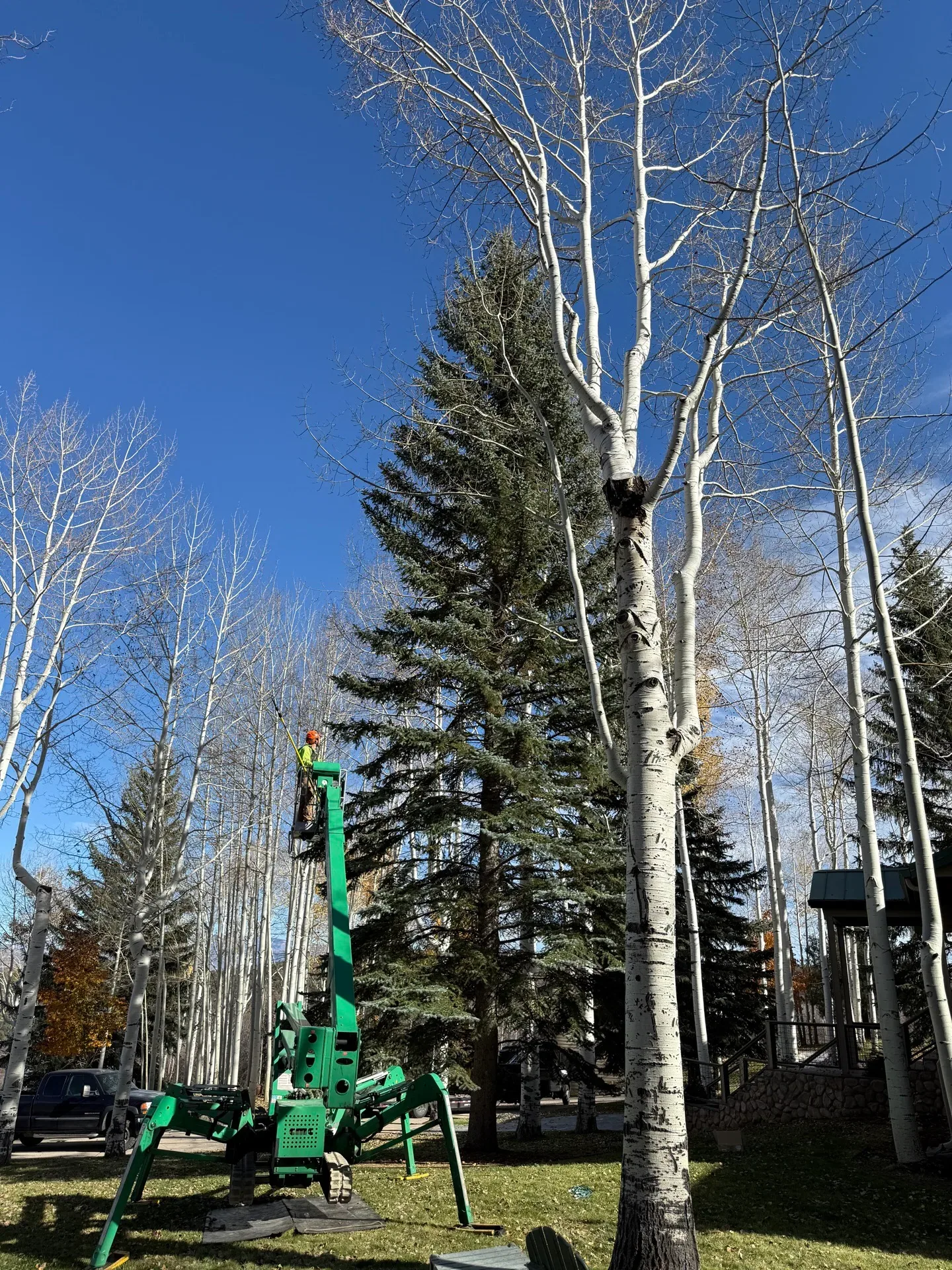
Late May in the high country is when tree lines fill in, guest traffic returns, and erosion paths that looked minor after snowmelt start to deepen with every delivery and weekend arrival. The same bend in the drive that carried grit in April can cut a channel by June if grade, roots, and compaction are treated as separate problems. This guide covers the habits that keep structure and soil calmer when the calendar compresses.
Read May snowmelt grade checks if you have not walked melt paths yet, then guest week deck and root traffic when events stack on the same paths. Earth-Wise ties tree trimming, wildfire mitigation, and turf care when photos show where traffic, canopy, and soil overlap.
Tree lines that change where people walk
Canopy closure in late May shifts sun and wind at ground level. Paths that felt open in April now funnel guests along the same turf edge beside decks and stairs. Low branches over drives scrape vehicles and push foot traffic onto strips that were not built for daily wear.
Clearance pruning belongs before summer traffic, not after the first complaint about scratched roofs. Tree trimming crews prefer notes about which paths must stay open for deliveries and which views you want to keep. Compare with hedges and privacy screens when woody edges define walks instead of individual stems.
Erosion paths that deepen one tire at a time
Ruts along curves and drip lines from roof valleys often start as cosmetic dust trails. Late May rain followed by dry weekends can cut them deeper when traffic never shifts. Photograph ruts with a rake head or shoe for scale; wide shots show whether water joins tire wear in the same channel.
Small grade fixes, daylighting drain outlets, and redirecting downspouts beat repeated seeding on compacted lines. On valley-floor and Eagle-area lots, melt plus irrigation overspray can share one path—fix water before you blame only tires.
Roots, compaction, and fuel along edges
Guests shortcut grass to reach decks and hot tubs. Compaction near root plates shows up as thin turf before canopy stress is obvious. Match spongy bands with root plate firmness and delay heavy furniture on the same line until firmness returns.
Needles, twigs, and ladder fuels along edges that were snowy in March still matter once green-up advances. A late-May pass supports wildfire mitigation without waiting for smoke on the horizon. Pull mulch back from root flares until bark can breathe. Pair fuel work with our fine fuel spring pass guide when you want a walking order.
When mature trees on thin fill need moisture spray never reaches, deep root watering supplements sprinklers without flooding every zone. Structure questions—lean, cable wear, deadwood—belong in consultations before summer wind events.
Plant health and a map for caretakers
Edges along drives and tree lines often show stress before the field center. Compare flagging with hidden signs of tree stress when patterns follow traffic or water, not only insects. Adjust irrigation heads after clearance pruning so arcs respect new air space—wet bark and dry soil below is a common late-May combo on sloped lots.
Draw tree lines, ruts, and no-drive zones on one page. Circle where summer traffic must not return. Caretakers and guests follow maps faster than rules repeated in text messages. Include who is allowed to run irrigation after pruning—wet bark and fresh cuts do not mix well with nightly mist on slopes.
- Prune clearance before daily summer traffic fixes paths in turf.
- Photograph ruts after rain and after dry spells.
- Separate water paths from tire wear before reseeding.
- Pull mulch off flares and keep weeps clear on walls and drains.
- Route lean and fuel questions early, not after the first wind event.
When erosion and canopy work outgrow a weekend list, request a quote with wide shots of tree lines, ruts, and stressed edges plus guest and delivery dates.
Tree Lines and Erosion Help
Our tree trimming and wildfire mitigation teams serve the Roaring Fork and Vail valleys. We help you sequence work before summer traffic arrives.