
Heavy Clay Pockets in Foothill Lawns
Published November 05, 2026
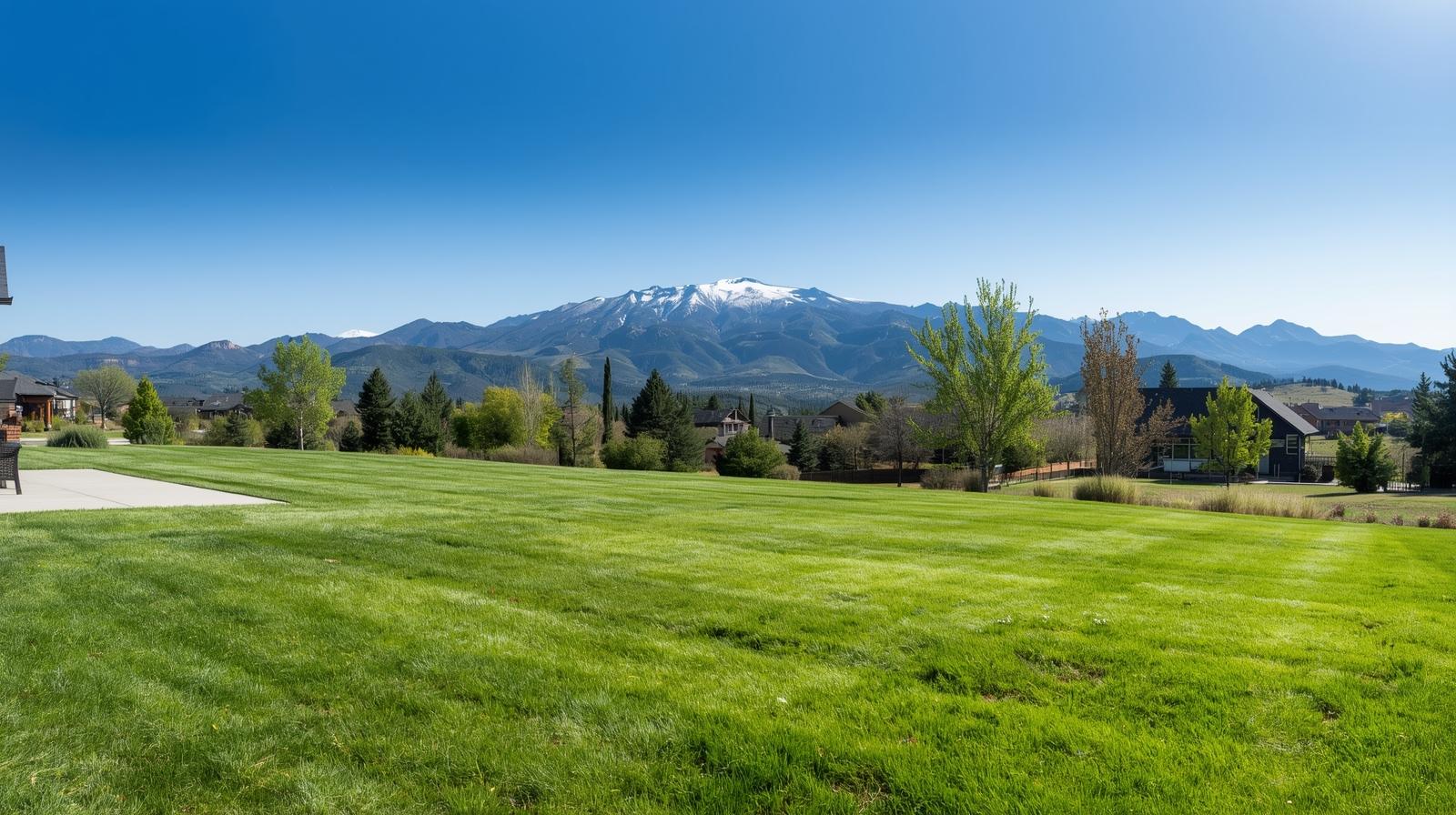
Clay pockets show as stripes and rings
Water sits longer in clay lenses while sandier shoulders drain fast. Grass yellows on the wet pocket, green on the shoulder, or the reverse when irrigation assumes uniform soil.
A screwdriver test every few feet reveals hardness changes faster than surface color alone.
Map pockets on paper before you change controller programs globally.
Compaction on clay after traffic
Clay compacts sharply under plows, trailers, and repeated mower turns. Pale arcs beside drives on clay are often mechanical, not disease.
Aeration timing must wait for workable moisture. Pulling cores from saturated clay smears structure.
Read vertical mulching on hard mountain soil when chronic pans persist.
Irrigation cycles on mixed soil
Cycle and soak helps on clay pockets without flooding sandier neighbors on the same valve. Split zones when budget allows.
Probe clay pockets separately from shoulder zones after each adjustment.
Reflected heat on south clay bands increases evaporation; see hot spots and reflected heat.
Species fit on heterogeneous lawns
Single-species lawns hide pocket stress until drought or heat arrives. Blended stands sometimes mask clay weakness better than monoculture bluegrass.
Overseed choices should name dominant pocket soil, not only sun hours.
We test when color patterns persist after fair irrigation.
Trees sharing clay pockets
Surface roots on clay can drown when sprinklers run for turf only. Deep root watering may target trees while turf cycles change.
Consultations read roots and turf together on tight lots.
More water on saturated clay around trunks worsens softness.
Realistic improvement timelines
Organic matter rises slowly in clay pockets. One topdress season rarely fixes years of compaction.
Photograph the same pocket monthly through one growing season to judge progress honestly.
Patience beats repeated scalping that exposes crowns on slow-draining spots.
What to bring to a site visit
Photos of wet and dry stripes, probe depth notes, and recent fertilizer or lime applications.
Request a quote with irrigation zone names tied to mapped pockets.
Foothill clay rewards local observation more than valley lawn guides copied from the front range.
Second homes, caretakers, and shared notes
Owners and caretakers often inherit different controller settings each turnover. A photo of the panel and a zone list on the fridge prevent duplicate service calls the same week.
Leave probe readings and mower height notes where both parties see them. Memory fades faster than mountain weather shifts.
Earth-Wise has served Colorado mountain landscapes since 1994. Dated records keep recommendations proportional to the season you actually have.
What crews document on the first visit
Slope, access, gate width, and association rules change equipment choices on every parcel from Glenwood Springs to Vail.
Photos you send narrow the conversation before trucks roll on steep or shared drives.
Call Roaring Fork Valley 970-928-8480 or Vail Valley 970-476-7336 with those details attached.
Season length and realistic expectations
Mountain lots often get six to ten weeks of strong growth, not the long plateau valley turf enjoys. Work scheduled in that window lands differently than the same work started after heat or guest traffic arrives.
Pale color in week three may still recover in week five when nights stay cool and roots deepen. Pale color in week nine may signal soil or species limits instead of temporary stress.
Compare the same bed or lawn panel on the same calendar week each year. A single spring photo rarely tells the story without prior season context.
Professional visits fit best when you bring dated images, gate access notes, and a short list of zones or trees that worry you most. That packet keeps scope focused on measurable conditions rather than generic mountain lore.
When you are ready for eyes on site, request a quote with elevation, aspect, and irrigation type in the first sentence.
Foothill turf and soil support
Turf care and consultations address clay pockets, compaction, and species fit. Serve New Castle and Glenwood Springs foothills.