
Deer Pressure on Newly Planted Aspen Groves
Published October 22, 2026
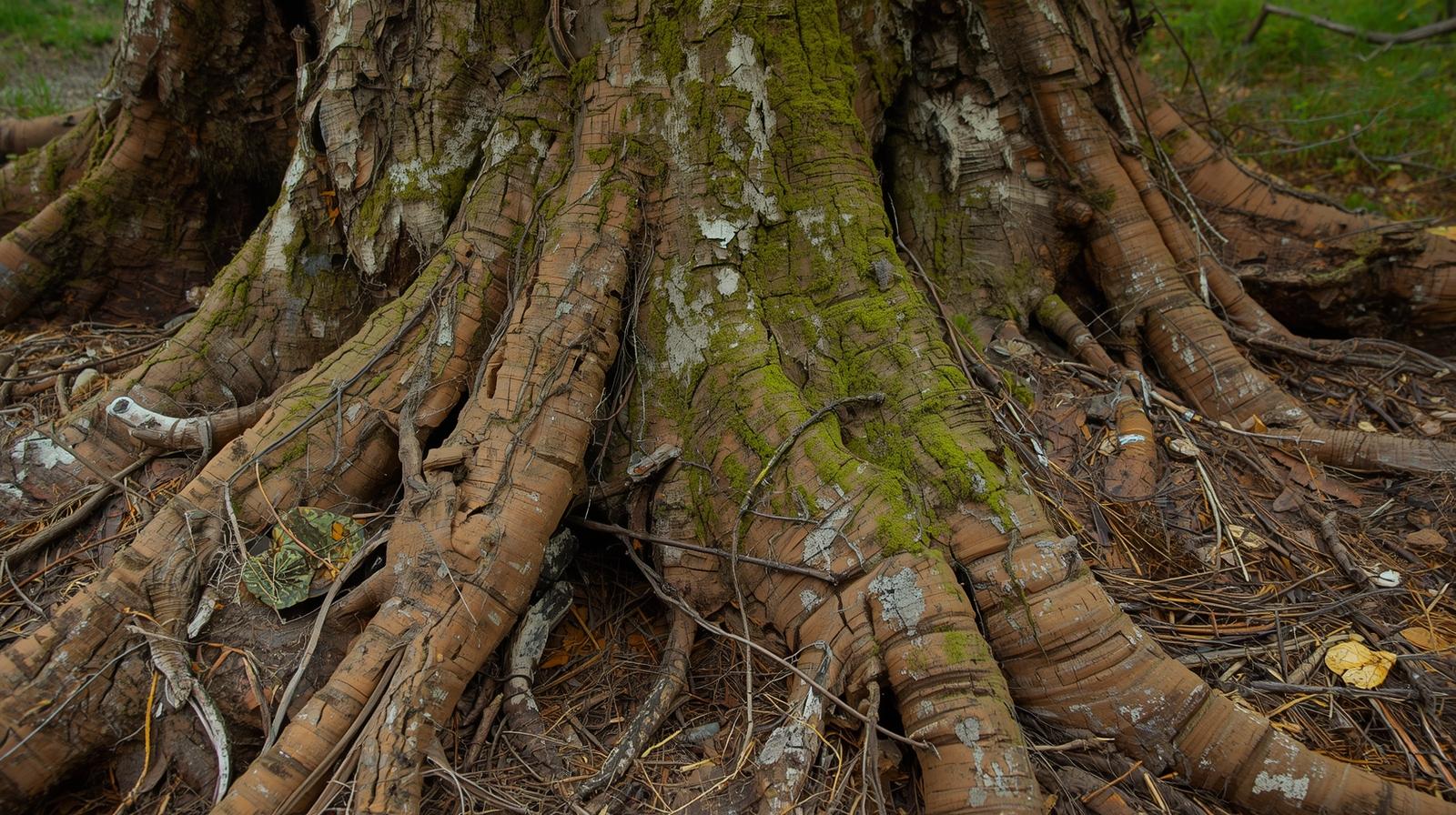
Browse looks different on young aspen
Fresh cambium on saplings attracts deer when natural forage is slim. Torn tips and stripped bark on stems under six feet often mean browse, not drought.
Rub damage from antlers concentrates on thin stems too small to survive full girdling. The wound location matters more than the number of leaves lost.
Photograph damage height and whether multiple stems on the same clone were hit.
Clones, spacing, and grove layout
Aspen groves are often one genetic individual with many stems. Losing leaders on several stems in the same clone sets the grove back years.
Spacing for grove effect differs from spacing for single shade trees. Crowded stems compete and invite wind snap on long stems with thin caliper.
Read bark and cambium reads when you are unsure whether damage is animal, mechanical, or frost.
Protection that fits mountain aesthetics
Cages, repellents, and seasonal fencing each have tradeoffs on visible lots in Aspen and Snowmass. Protection that fails after guest season is a common story on second homes.
Repellent programs need reapplication timing that caretakers can follow. A schedule on the fridge beats a bag in the garage.
We do not promise invisible protection on every slope. We do document which stems need hardware until caliper reaches browse resistance.
Irrigation and establishment stress
New groves still need even soil moisture without constant saturation. Dry pockets invite browse stress signatures that look like animal damage only.
Deep root watering may supplement spray on dry ridges where new stems are planted.
Mulch doughnuts pulled away from stems let you see moisture at the root flare honestly.
When replacement beats repeated rescue
Stems girdled more than halfway may not recover form you want in the grove plan. Honest removal and replant sometimes costs less than years of corrective pruning.
Tree trimming can train survivors when structure remains sound. Tree removal belongs in talk when stems lean or crack at browse wounds.
Bring grove goals to request a quote: screen, shade, or naturalistic drift.
Wildlife patterns through the year
Pressure often rises late winter and again in late summer when irrigated landscapes stay green. Note dates on damage photos so patterns are visible year to year.
Dogs and landscape lighting change deer paths. A grove planted where deer already travel nightly faces harder odds than a drift placed off the main browse line.
Pair with wildfire mitigation planning when groves sit in defensible space zones; fuel and browse stories interact on the same edges.
What to send before an arborist visit
Stem count, planting year, irrigation type, and photos of damage from two angles speed the first visit.
Mention whether neighbors feed wildlife or leave fruit on the ground. Shared patterns matter on open lots.
More aspen and mountain tree notes live on the blog for Carbondale and Glenwood Springs parcels.
Second homes, caretakers, and shared notes
Owners and caretakers often inherit different controller settings each turnover. A photo of the panel and a zone list on the fridge prevent duplicate service calls the same week.
Leave probe readings and mower height notes where both parties see them. Memory fades faster than mountain weather shifts.
Earth-Wise has served Colorado mountain landscapes since 1994. Dated records keep recommendations proportional to the season you actually have.
What crews document on the first visit
Slope, access, gate width, and association rules change equipment choices on every parcel from Glenwood Springs to Vail.
Photos you send narrow the conversation before trucks roll on steep or shared drives.
Call Roaring Fork Valley 970-928-8480 or Vail Valley 970-476-7336 with those details attached.
Season length and realistic expectations
Mountain lots often get six to ten weeks of strong growth, not the long plateau valley turf enjoys. Work scheduled in that window lands differently than the same work started after heat or guest traffic arrives.
Pale color in week three may still recover in week five when nights stay cool and roots deepen. Pale color in week nine may signal soil or species limits instead of temporary stress.
Compare the same bed or lawn panel on the same calendar week each year. A single spring photo rarely tells the story without prior season context.
Professional visits fit best when you bring dated images, gate access notes, and a short list of zones or trees that worry you most. That packet keeps scope focused on measurable conditions rather than generic mountain lore.
When you are ready for eyes on site, request a quote with elevation, aspect, and irrigation type in the first sentence.
Aspen and tree planting support
We plant and protect trees across the Roaring Fork and Vail valleys. Start with plant health care or consultations when browse marks appear on new groves.